


Many couples request film photography without really knowing what it is. They just know there’s something different about it. And they like whatever it is that makes it stand out from its digital cousin. Especially within the last few years as the popularity of film has exploded, and it seems that almost everyone is a film photographer, what gives?
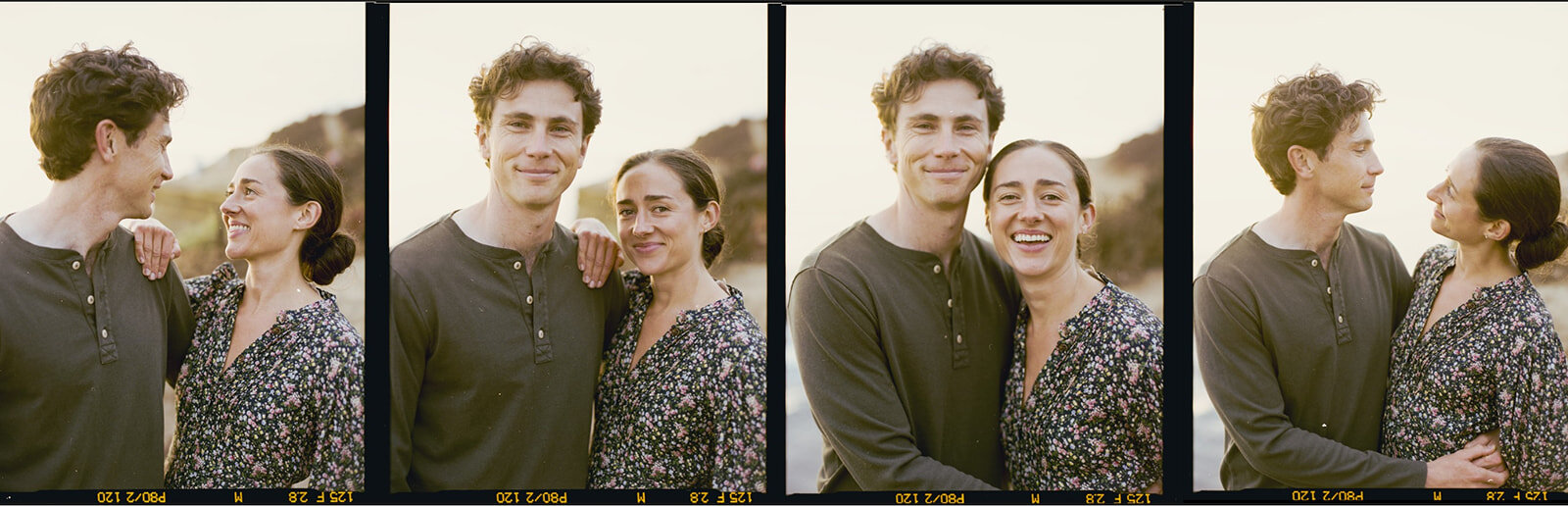
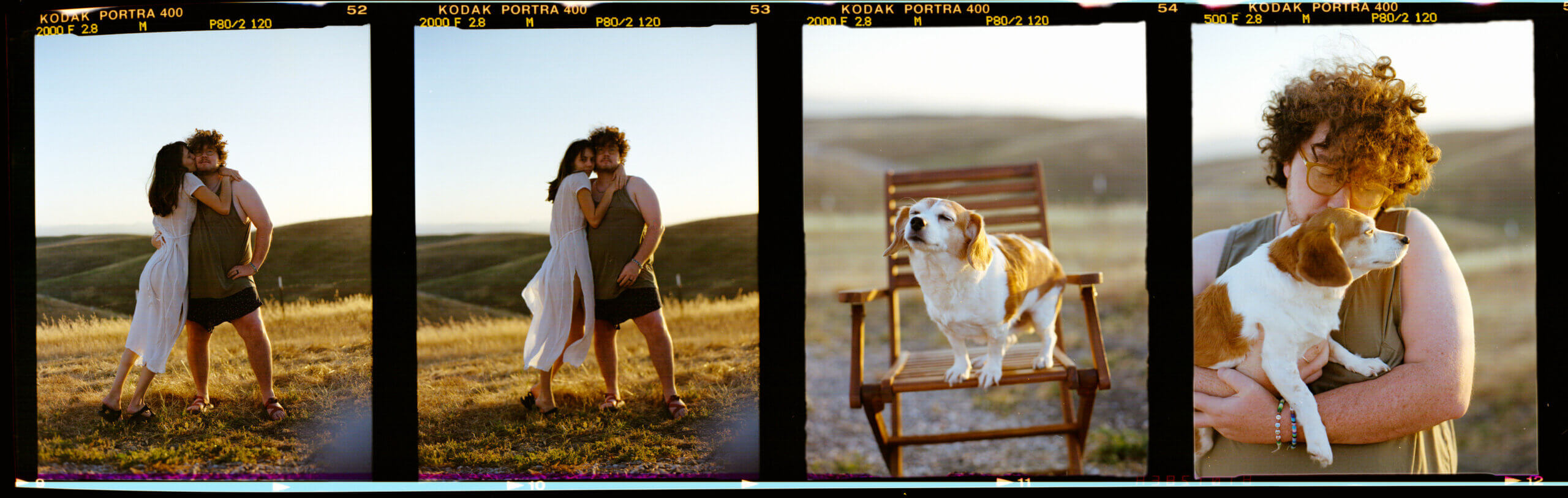
So what is the magical gold dust that film seems to have? What makes it different from the digital medium?
Honestly, the *secret sauce* is multi-layered. People try and emulate it, but nothing ever quite touches the real thing.
What I can tell you is that film is a process – every step of the way. From selecting the film stock (do you know how many options there are!?), placing the film into the camera, having extra inserts loaded and ready, metering the light properly, framing and composing each image, to lab selection, developing and scanning (I send my film off because I’m a scaredy-cat who doesn’t want to mess up my clients images haha!)… film requires thought, intention, patience, and a whole lot of practice to master.
Here are some other ways film photography differs from digital:
Light on Film

My favorite part of film is the way light appears, almost as if painted on to the image, the subjects, the landscape.
Film has an incredibly flexible dynamic range, meaning that there is a TON of information hidden in between the very brightest parts of the image to the very darkest. There’s a very large amount of detail still available in those opposites that digital tends to lose. When a digital image is severely over exposed, the latitude of what can be saved is…. not a lot. But film can be over or under exposed by an order of magnitude more stops and still look incredible!
Below: an over exposed digital image, next to an overexposed film image
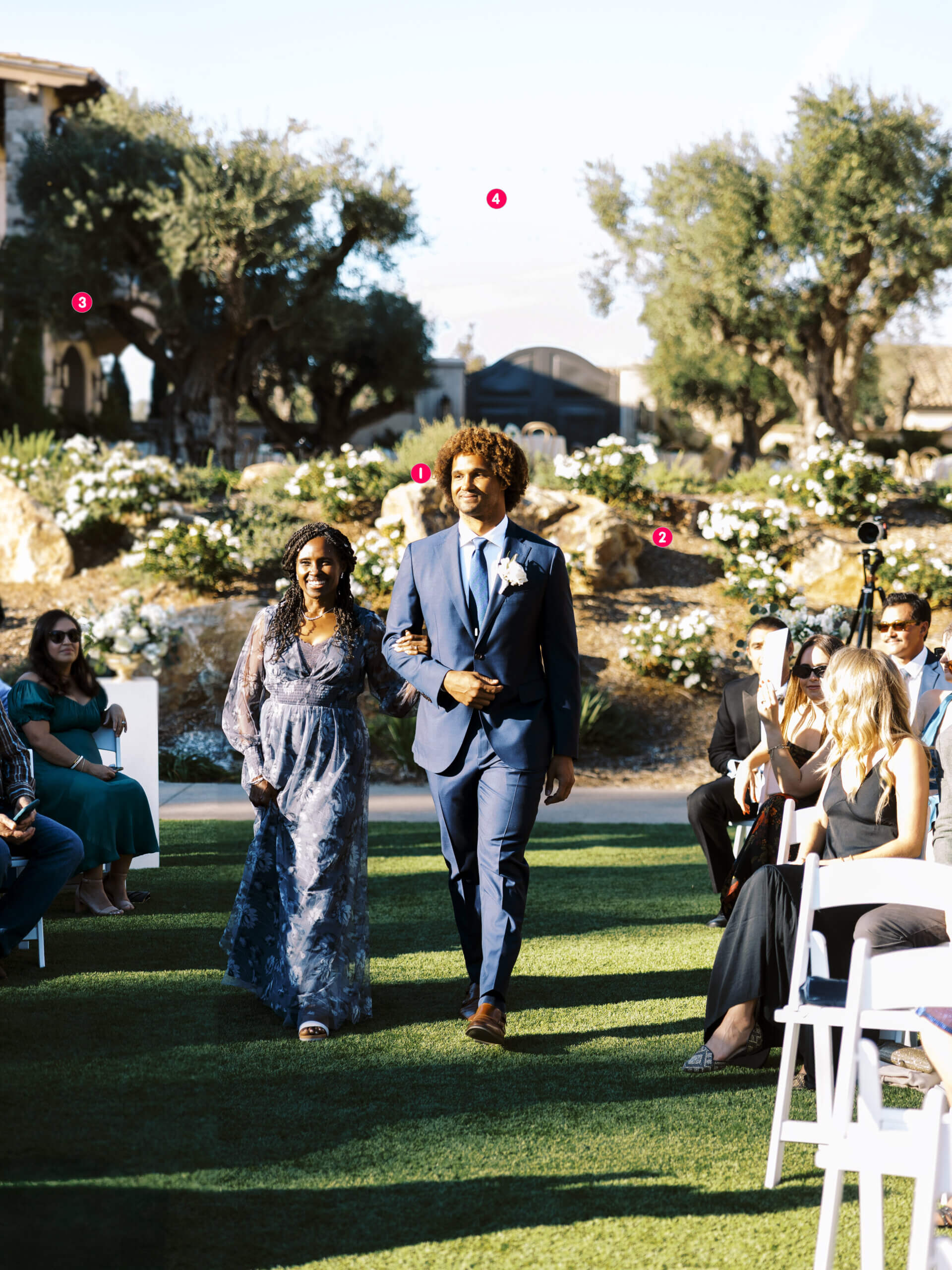

And with film, even if you know you accidentally had the wrong settings for a roll (which definitely happens on wedding days where a lot is happening, moving to different spaces and lighting scenarios… in development the film can be pushed or pulled, (meaning left in the chemicals either longer or shorter) and detail retained.
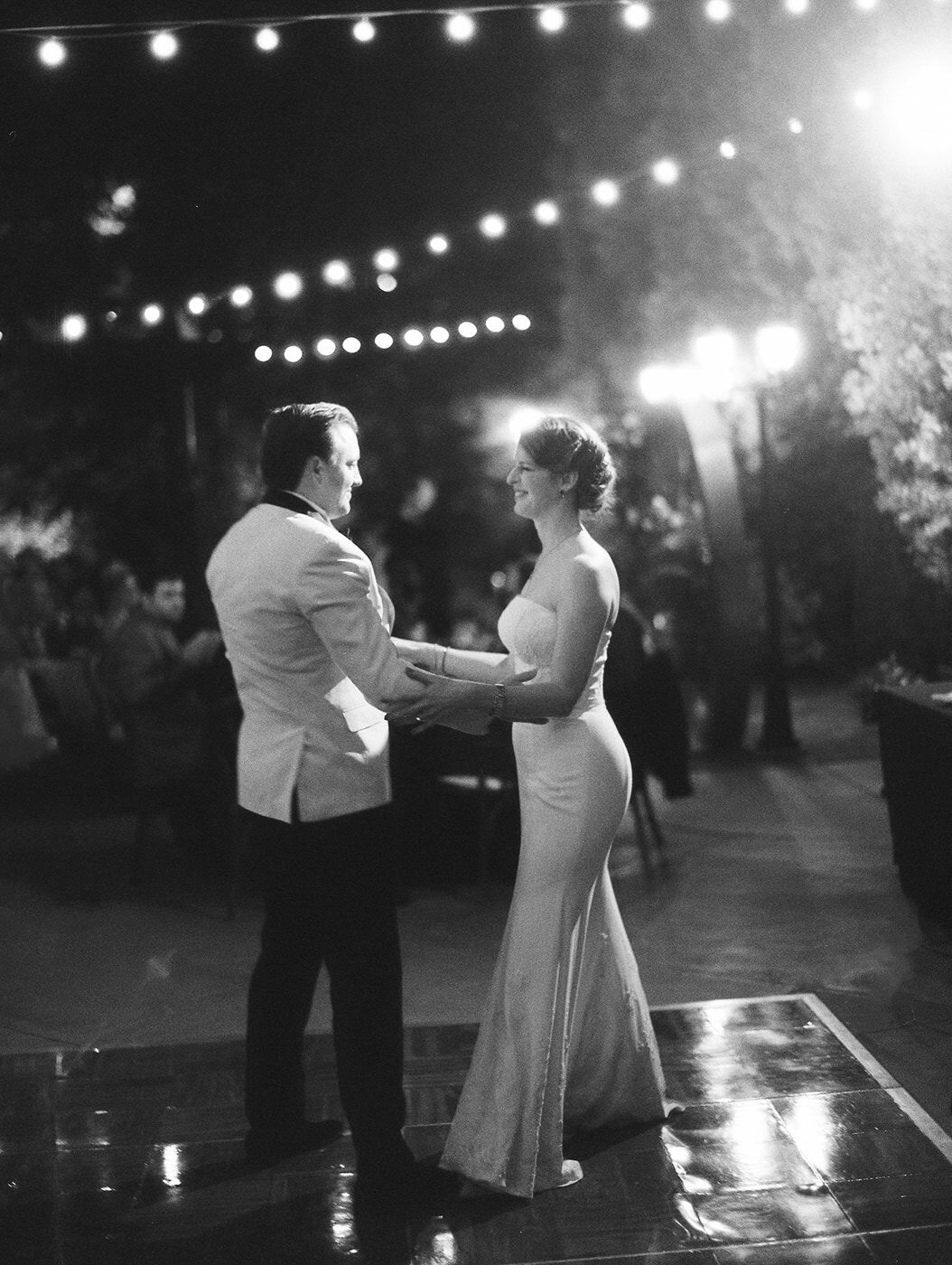
Of course where film is weakest and digital strongest is low light situations… Digital sensors can absolutely pick up and photograph detail with very little available light, but that doesn’t mean film is thrown out once the reception starts!
Low light/night time is exactly is where I love to play around and experiment with flash, long exposure, different film stocks, and experimental techniques!
Color of Film


As with light, film is able to “soak up” the natural color literally in a chemical process. Colors pop and can look more true to life, and are incredibly flattering in skin tones.
One of my biggest pet peeves with my digital images in particular is green casts when photographing people in nature… it is SO difficult to contend with when editing afterwards! Digital picks up every single imperfection, whereas film sort of smooths and blends it out. I have not once (since mastering film) had to edit out a green cast from a clients face/skin while shooting in nature.
Because each film stock comes with a sort of pre-defined color profile depending on the chemistry, that means photographers don’t need to edit for color correction with film as much as they do with the digital medium. Digital photos come RAW, and a mood, preset, or profile has to be imposed on top of them, and often times it just guesswork (for me it sure is!).
Less time spent on the computer editing and tweaking photos means less wait for your photos, and more happiness for a photographer!
Cost of Film


Another difference between film and digital photography is the cost involved. Working with film is truly an artform, and it doesn’t come cheap. The film itself, shipping to the lab, development, scanning, shipping the negatives back…it all adds up. And this means the photographer must be more intentional with every press of the shutter button.
Each frame on my favorite medium format camera, the Contax 645, costs ~roughly~ $2.50. Can you imagine having to pay $2.50 for every photo you took?! You’d probably slow down a bit too and focus on the things that are the ~most~ important.
With a digital camera you can rapid fire, knowing you can go back and look through the hundreds of images for the perfect ones. But with film, the photographer must compose each image beforehand and make sure the focus, shutter speed, and exposure are all correct.
Each step of the process requires focused intention and thought.
And that’s the beauty of it.
Timelessness
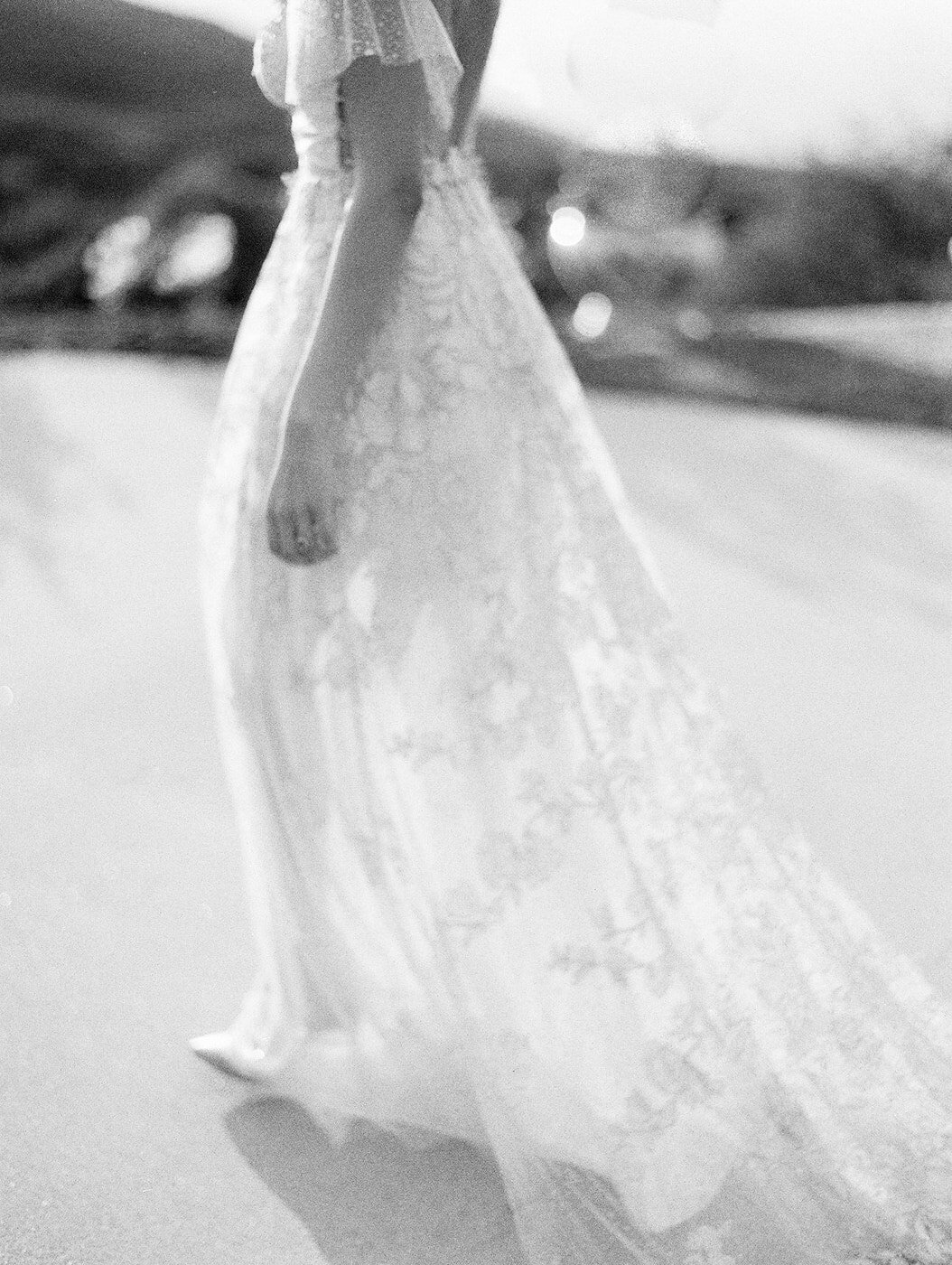
Digital photos have the ability to look picture perfect {pun intended!}, but film has an authenticity that I (and many other film photographers) believe digital can’t touch. An image taken on film has an accuracy as to the colors, a stability as to the composition, and often times it is genuinely hard to tell what year an image was taken based on the style. Its more about the quality of an image standing up to the test of time.
The soft light. The vivid colors. Glowing, radiant skin.
Even the grain on a film image is more subtle, natural, and elegant than either grain applied during editing a digital image, or noise from a digital image taken in low light.
These qualities- the timeless and fine art feel of film- are also why I believe film is the perfect medium for a day as important and intentional as your wedding.

Creative Control
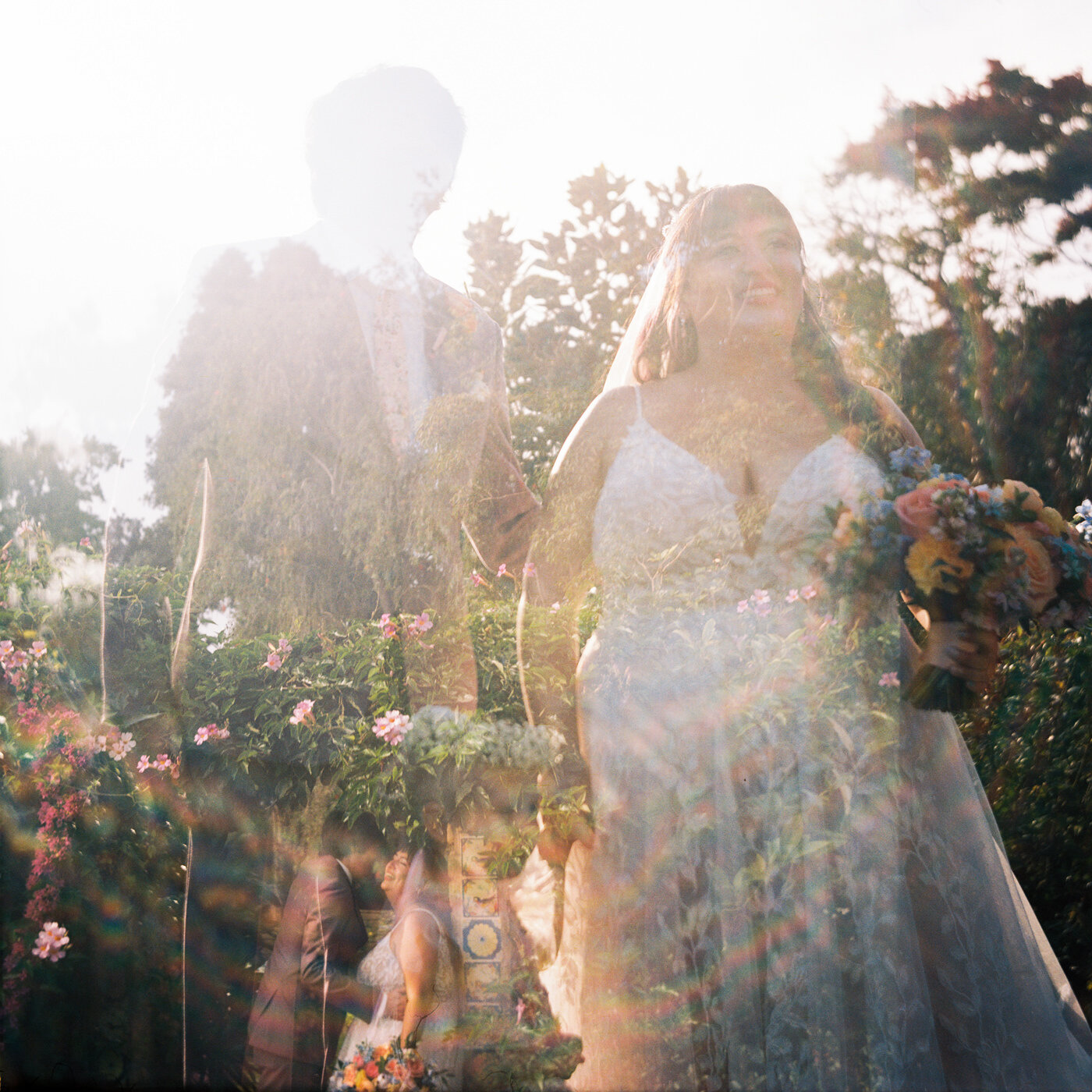
Film photography offers more creative control when it comes to processing and editing images.
Granted, it’s a staged process, and sometimes challenging, but it’s well worth the results.
But can’t you just use Photoshop to achieve the same look?
To a degree, but it’s difficult, time consuming, and expensive. Editing hundreds of photos is an obstacle in itself, but editing hundreds of photos to mimic film might as well be a full-time job.
Plus, even if you succeed, the digital image won’t look as good as the real thing.
Not Dissing on Digital
All of this is not to say that there is anything wrong with digital images, digital-only photographers, or that anything is “inferior” about digital.
Shooting in digital offers instant feedback.
Digital is extremely useful when trying to capture fast moving moments, really large groups of people (I’m looking at you group family photos where someone is guaranteed to always blink!) and really low-light situations.
Plus, digital provides a great backup system since I’m able to record to multiple memory cards at once, download backups to the computer and cloud, and look at/edit images right as I take them!
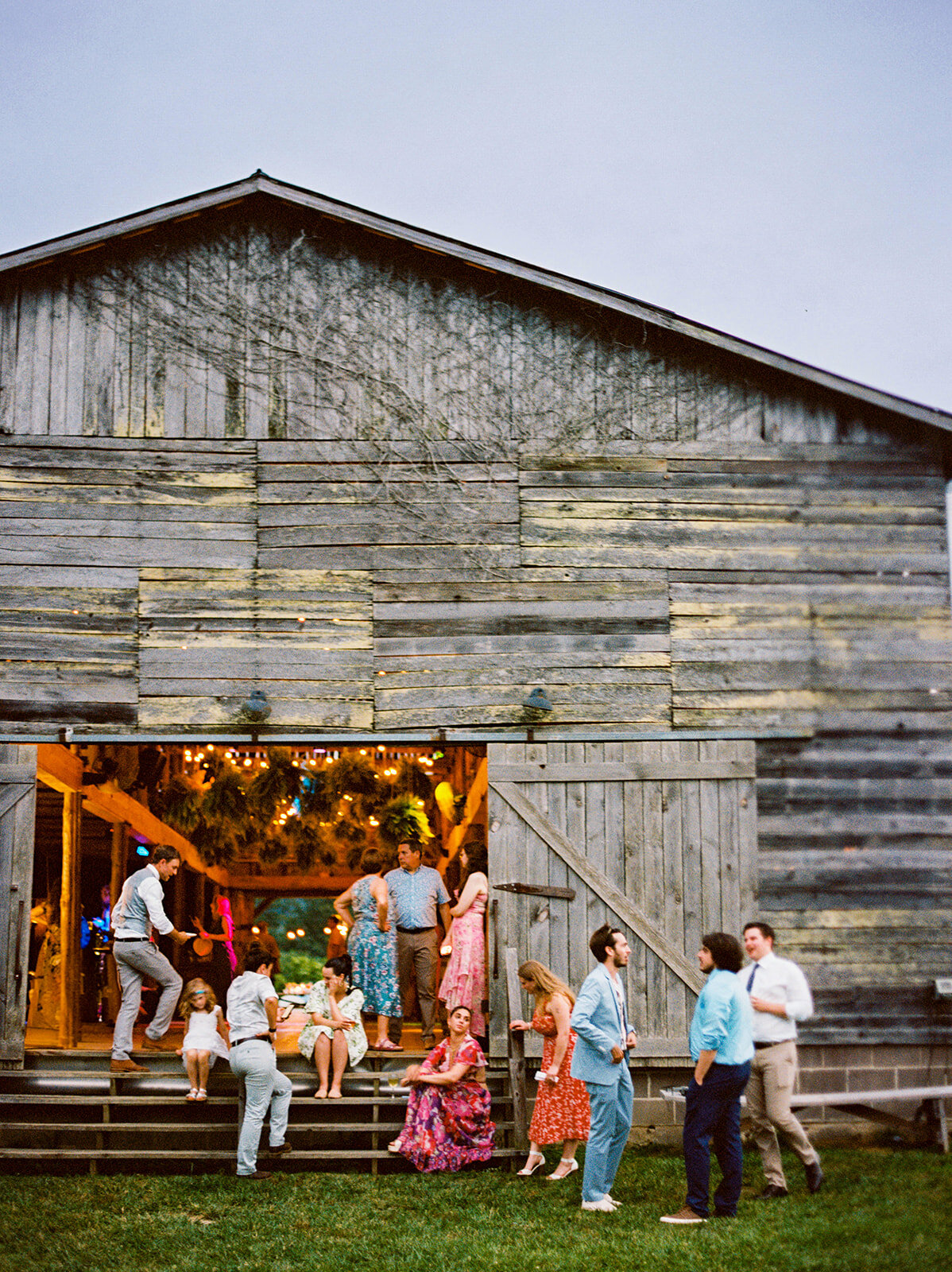
Film and digital photography both have their advantages and disadvantages. And most film photographers not only agree, but they are also able to work with both! On any given day where I’m photographing, you’ll likely see a digital camera on one hip, a film on the other, and a smaller film camera hanging around my neck.
But, as a film photographer I adore what film achieves and how the process pushes me to go above and beyond. And that artful touch that film requires from me gets passed on to you- the couples who hire me to photograph their wedding. You’ll receive much more than loads of images to post on social media. You’ll get works of art.
I aim to capture your story as a work art, both digital and print. Photos you can be proud to display in frames and in your heirloom wedding album for years to come.
Ready to see the difference for yourself? Contact me and let’s chat!
Want to see a recent post that has a ton of film and digital, and see if you can tell the difference? Check out this Backyard Micro Wedding in San Diego


+ COMMENTS
ADD A COMMENT